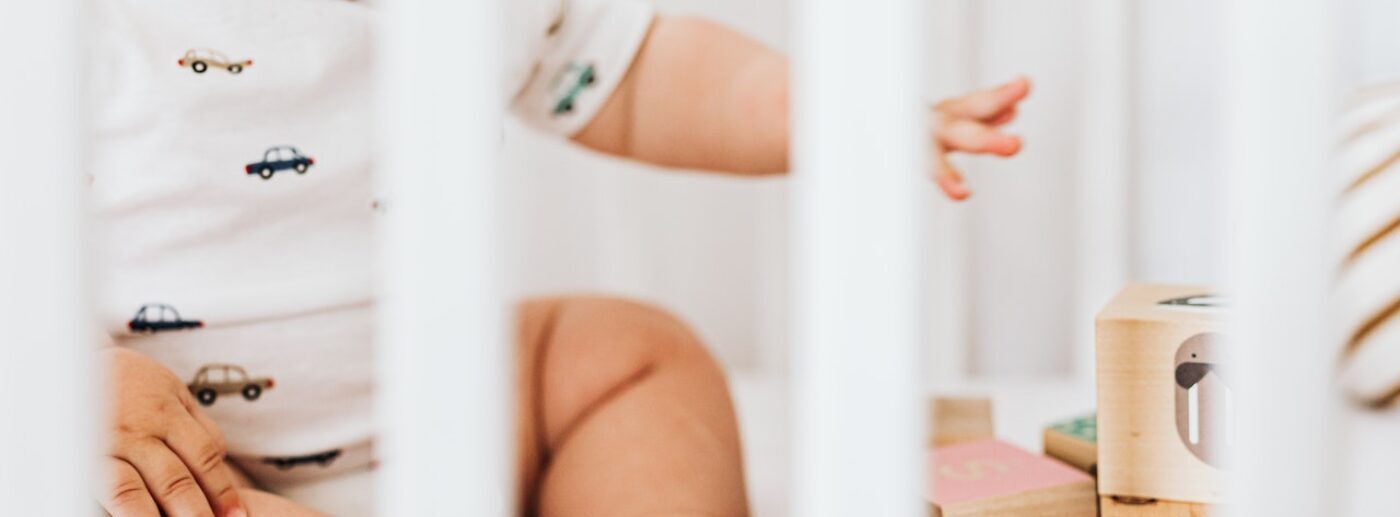
When designing your baby’s nursery, one of the utmost priorities is creating a safe environment that promotes their well-being. Babies are naturally curious and require a space that is free from potential hazards. In this article, we will explore important considerations and practical tips for ensuring a safe nursery. From childproofing to choosing non-toxic materials, we will guide you through the steps to create a secure and nurturing space for your little one.
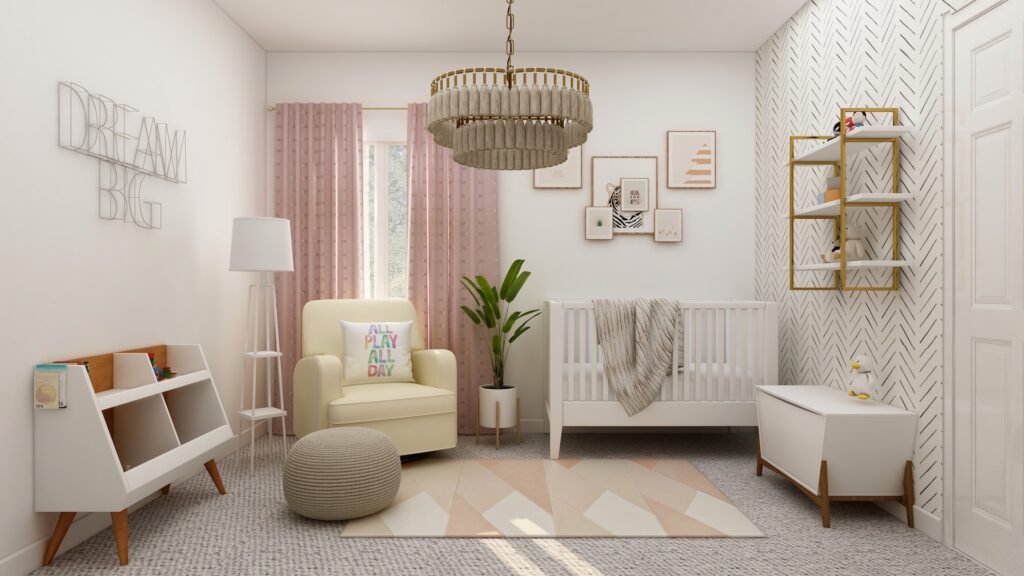
Clear the Clutter:
Start by decluttering the nursery to eliminate potential tripping hazards. Keep floors clear of unnecessary objects, such as small toys, loose wires, or cords. Maintain a clean and organized space to minimize accidents and facilitate easy movement within the nursery.
Choose Safe Furniture:
Selecting safe furniture is crucial for a secure nursery. Look for items that meet the latest safety standards, particularly cribs and changing tables. Ensure they are sturdy, properly assembled, and have no sharp edges. Avoid furniture with decorative elements that could pose choking hazards. Choose dressers and shelves that are stable and secure to the wall to prevent tipping accidents.
Childproof Electrical Outlets and Cords:
Cover electrical outlets with childproof outlet covers to prevent accidental shocks. Secure cords from lamps, monitors, and other electrical devices so that they are out of reach or properly concealed. Cord organizers or covers can help prevent entanglement or pulling.
Window Safety:
Windows pose potential risks in a nursery. Install window guards or window stops to prevent accidental falls. Keep blinds or curtains with long cords out of reach and use cordless window coverings where possible. Ensure that windows are closed and locked securely when not in use.
Safe Flooring:
Choose flooring materials that are safe and easy to clean. Opt for non-slip surfaces to reduce the risk of slips and falls. Carpets should be securely fastened and free of loose fibers that could pose a choking hazard. Avoid rugs with excessive padding, as they may cause tripping.
Hazard-Free Decorations:
When decorating the nursery, keep in mind that decorations should be safe for your baby. Avoid placing small objects or hanging decorations within reach of your baby’s crib. Choose wall hangings and mobiles that are securely fastened and cannot be pulled down. Ensure that wall art is properly mounted, minimizing the risk of falling.
Non-Toxic Materials:
Use non-toxic and eco-friendly materials throughout the nursery. Opt for paints, varnishes, and adhesives that are low in volatile organic compounds (VOCs) to minimize air pollution. Select furniture made from sustainable and non-toxic materials. Check labels on bedding, curtains, and upholstery for harmful chemicals, and choose organic options when possible.
Adequate Lighting:
Proper lighting is essential for a safe nursery. Ensure that the room has a mix of natural and artificial light sources. Use cordless or well-secured lamps with soft lighting to avoid the risk of burns or electrical accidents. Consider installing dimmers to adjust the brightness based on your baby’s needs.
Maintain a Comfortable Temperature:
Keep the nursery at a comfortable temperature to prevent overheating or chilling. Use a room thermometer to monitor the temperature and ensure it remains within the recommended range. Avoid placing cribs near heat sources such as radiators or direct sunlight. Use appropriate bedding to prevent overheating, and dress your baby in layers to regulate their body temperature.
Creating a safe environment in the nursery is paramount to your baby’s well-being. By following these guidelines, you can ensure that their surroundings are free from potential hazards. From decluttering the space and selecting safe furniture to childproofing electrical outlets, windows, and cords, each step plays a vital role in safeguarding your baby. Additionally, choosing non-toxic materials, maintaining proper lighting and temperature, and implementing hazard-free decorations contribute to a secure and nurturing nursery environment. By prioritizing safety, you provide your baby with a space where they can explore, learn, and thrive without unnecessary risks.