Setting up a practical nursery can be an exciting and daunting task for new parents. There are numerous factors to consider, such as the baby’s needs, space constraints, safety, and budget. In this guide, we will discuss the essential steps to create a practical and safe nursery for your little one.
Step 1: Determine the Nursery’s Location
Before you begin planning the layout and design of the nursery, you should consider where it will be located. Ideally, the nursery should be close to the parent’s room, making nighttime feedings and diaper changes more manageable. You may also want to consider the room’s size, accessibility, and natural light when choosing a location. The closer proximity to the parent’s bedroom allows for easy access to the baby during nighttime feedings and diaper changes. Additionally, having the nursery close to the parent’s bedroom allows for better monitoring of the baby’s sleep and well-being.
So, when choosing a location for the nursery, it’s important to consider factors such as natural light, accessibility, and closeness to the parent’s bedroom. Ideally, the nursery should have plenty of natural light to promote a healthy sleep environment for the baby. The nursery should also be easily accessible and not require navigating stairs or narrow hallways.
Ultimately, the best place for a nursery will depend on the layout and size of your home. However, by prioritizing proximity to the parent’s bedroom, natural light, and accessibility, you can create a safe and functional space for your baby.
Step 2: Select Essential Furniture
One of the most important aspects of creating a practical nursery is selecting the right furniture. The nursery’s furniture should be both functional and safe. Here are the essential furniture items that you will need:
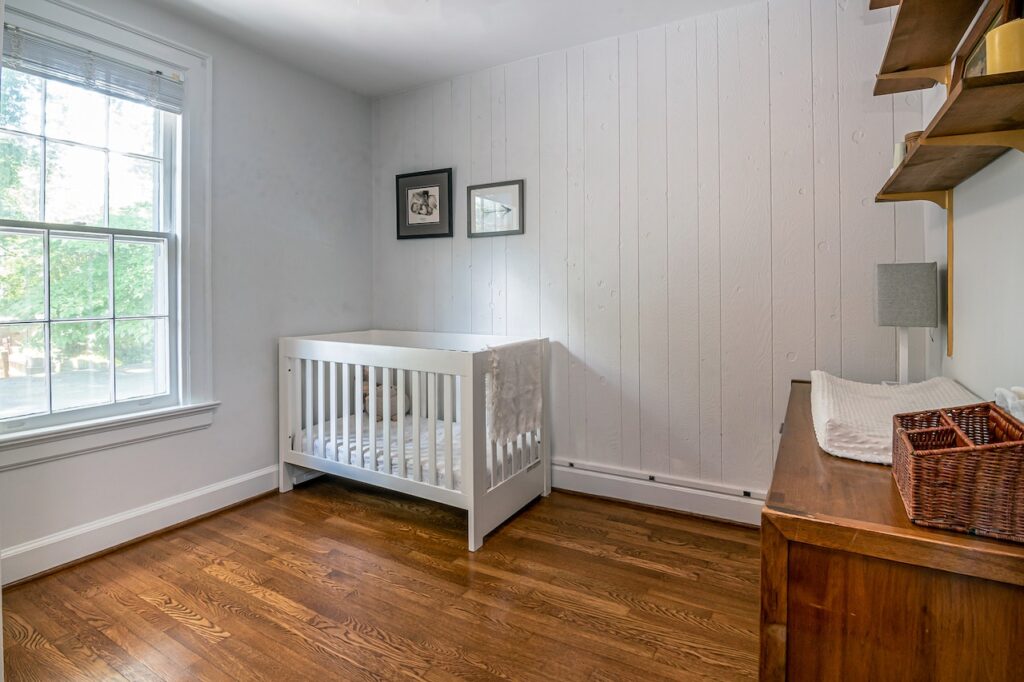
- Crib: The crib is the centerpiece of any nursery. It should be sturdy, safe, and meet current safety standards. Look for a crib with adjustable mattress heights and removable side rails.
- Changing Table: A dedicated changing table will make diaper changes more comfortable and organized. Look for a table with storage for diapers, wipes, and other essentials.
- Rocking Chair or Glider: A comfortable chair is essential for feeding, cuddling, and reading to your baby.
- Dresser: A dresser will provide storage for baby clothes and other items.
- Bookshelf: A bookshelf is useful for storing books, toys, and other baby items.
Step 3: Choose Safe Bedding and Decorations
When it comes to bedding and decorations, safety should be your top priority. The American Academy of Pediatrics recommends that babies sleep on a firm, flat surface with no soft objects or loose bedding. Here are some tips to keep in mind:
- Use a firm, breathable crib mattress.
- Avoid using bumpers, blankets, and pillows in the crib.
- Choose breathable bedding made from natural materials.
- Secure any decorations, such as mobiles or wall art, to prevent them from falling.
Step 4: Organize the Nursery
Once you have selected the furniture and decorations, it’s time to organize the nursery. Here are some tips to keep in mind:
- Create designated areas for sleeping, feeding, and changing.
- Use storage baskets, shelves, and drawers to keep items organized.
- Label storage containers for easy access.
- Keep frequently used items, such as diapers and wipes, within easy reach.
Step 5: Install Baby Safety Features
Creating a safe nursery is essential to ensure your baby’s well-being. Here are some baby safety features that you should consider installing:
- Baby Monitor: A baby monitor allows you to hear and see your baby from another room.
- Smoke Detector: Install smoke detectors in the nursery and throughout your home.
- Carbon Monoxide Detector: Carbon monoxide is a colorless, odorless gas that can be deadly. Install a carbon monoxide detector in the nursery and throughout your home.
- Electrical Outlet Covers: Cover all electrical outlets to prevent your baby from sticking their fingers or objects into them.
Step 6: Add Personal Touches
Now that the essential elements are in place, you can add personal touches to the nursery. Here are some ideas:
- Use colors and patterns that you love.
- Display family photos or artwork.
- Choose meaningful decorations, such as a special stuffed animal or toy.
- Include a comfortable chair or seating area for yourself.
Setting up a practical nursery requires careful planning and consideration. By following these essential steps, you can create a safe and functional space for your little one to grow and thrive.
Tips for Maintaining a Practical Nursery:
Once you’ve set up your practical nursery, it’s essential to maintain it to ensure it remains a safe and functional space for your baby. Here are some tips to keep in mind:
- Clean Regularly: Regularly clean the nursery, including the floors, furniture, and bedding, to prevent the buildup of dust and allergens.
- Stay Organized: Keep the nursery organized by putting items back in their designated place after use. This will prevent clutter from building up and make it easier to find what you need.
- Check Safety Features: Regularly check the baby monitor, smoke detector, carbon monoxide detector, and electrical outlet covers to ensure they are functioning correctly.
- Replace Items: As your baby grows, you may need to replace items, such as the crib mattress, to ensure they remain safe and appropriate for your baby’s age and size.
- Adjust the Nursery: As your baby grows and develops, you may need to adjust the nursery’s layout or furniture to meet their changing needs.
Final Thoughts:
Setting up a practical nursery is an exciting and important task for new parents. By following the essential steps outlined in this guide, you can create a safe and functional space for your baby to grow and thrive. Remember to prioritize safety, choose functional furniture, organize the nursery, install baby safety features, and add personal touches to make the nursery feel like home. With these tips in mind, you’ll be well on your way to creating a practical and enjoyable space for you and your baby.